
Few doctrines stand closer to the heart of the gospel than justification. When Martin Luther reflected upon this truth, he described it as the article by which the church stands or falls. The reason is not difficult to see. The question that presses upon every sinner is ultimately this: How can a guilty person stand accepted before a holy God? Job asked, “How can a man be in the right before God?” (Job 9:2). The psalmist confessed, “If you, O LORD, should mark iniquities, O Lord, who could stand?” (Ps. 130:3). Every honest conscience eventually arrives at the same dilemma. God is perfectly righteous, and we are not. His law is holy, just, and good, yet we have broken it in countless ways. Reason confirms what Scripture declares: if God is truly just, He cannot simply overlook sin. A righteous Judge must deal with guilt.
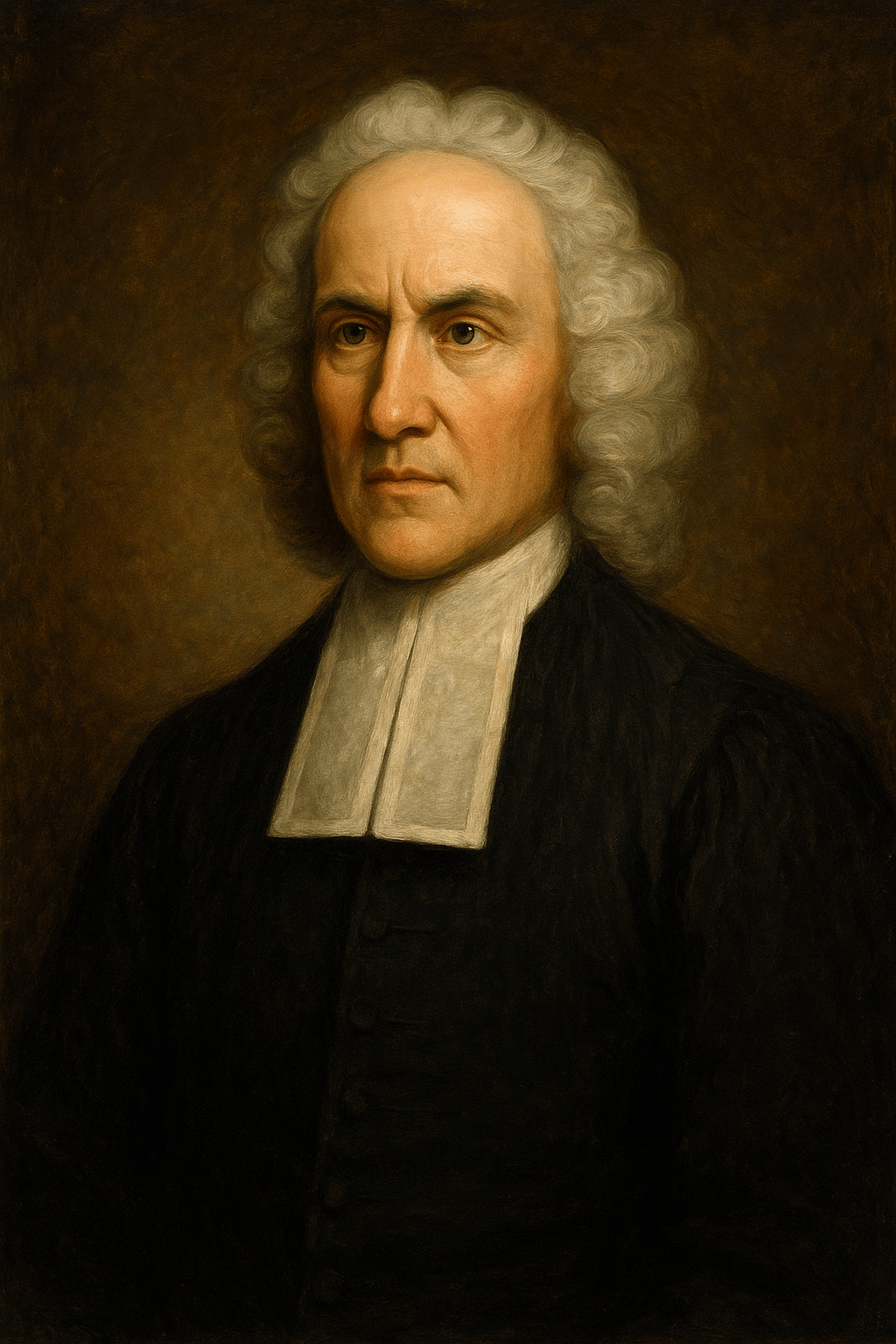
Jonathan Edwards offered a concise answer: “A person is said to be justified, when he is approved of God as free from the guilt of sin and its deserved punishment, and as having that righteousness belonging to him that entitles to the reward of life.“¹ This definition captures both sides of justification. It is not merely the removal of guilt. It is also the positive bestowal of righteousness. God does not simply declare that a sinner’s debt has been canceled. He declares that the sinner possesses a righteousness sufficient for eternal life. This is why justification is such good news. It answers both our greatest fear and our deepest need. We need forgiveness for what we have done, and we need righteousness for what we have failed to do.
The Divine Courtroom
Scripture consistently presents justification in judicial terms. The language belongs to the courtroom. God is the righteous Judge. Humanity stands before Him accountable for every thought, word, and deed. The biblical data leaves no room for ambiguity concerning our condition. “All have sinned and fall short of the glory of God” (Rom 3:23). Sin is not merely an unfortunate weakness. It is guilt before God’s tribunal. Every mouth is stopped, and the whole world becomes accountable to God (Rom 3:19).
This is why justification is necessary. Humanity’s greatest problem is not ignorance, loneliness, or lack of purpose. Our deepest problem is that we stand condemned before the God who created us. Jesus Himself warned of a coming day when every person will give an account before God (Matt. 12:36). Hebrews reminds us that “it is appointed for man to die once, and after that comes judgment” (Heb. 9:27). No amount of moral effort can erase past guilt, just as no defendant can undo crimes already committed by promising future obedience.
When Scripture speaks of justification, therefore, it speaks of a legal verdict. Paul writes that God is the one “who justifies the ungodly” (Rom 4:5). The verb does not mean that God gradually makes the ungodly righteous through moral transformation. Rather, it means that He pronounces a judicial declaration concerning their status before Him. Justification is not God pretending sinners are righteous; it is God declaring them righteous on the basis of a righteousness that truly satisfies His justice.
The Removal of Guilt
Edwards begins his definition with the negative aspect of justification. The justified person is “free from the guilt of sin and its deserved punishment.”
This corresponds to Paul’s teaching that believers have been forgiven and reconciled through Christ. The curse that their sins deserved has been borne by another. Christ became a curse for us (Gal 3:13). God made Him “to be sin who knew no sin” (2 Cor 5:21). At the cross, Christ endured the judgment that belonged to His people. Their guilt was imputed to Him. He stood in their place as their representative and substitute. Isaiah had foretold this centuries earlier: “The LORD has laid on him the iniquity of us all” (Isa. 53:6). He was “pierced for our transgressions” and “crushed for our iniquities” (Isa. 53:5). The cross demonstrates both the seriousness of sin and the greatness of God’s love. God did not ignore justice; He satisfied it in His Son.
Because He bore the penalty of sin, those who trust in Him are no longer liable to condemnation. Paul celebrates this reality in Romans 8:1: “There is therefore now no condemnation for those who are in Christ Jesus.” The justified believer does not await a future verdict whose outcome remains uncertain. God’s judgment has already been announced. The sentence of condemnation has been removed forever. Christ’s resurrection serves as God’s public declaration that the debt has been paid and the sacrifice accepted (Rom. 4:25).
The Gift of Righteousness
Edwards rightly insists that justification involves more than pardon. A merely forgiven person would stand before God with no guilt, but also with no positive claim to life. The justified person is regarded as possessing “that righteousness belonging to him that entitles to the reward of life.” Paul contrasts Adam’s disobedience with Christ’s obedience. Through the obedience of the one man, many are constituted righteous (Rom 5:19).
The righteousness by which believers stand accepted is not their own achievement. It is the righteousness of Christ reckoned to them through faith. Paul desires to be found in Christ, “not having a righteousness of my own that comes from the law, but that which comes through faith in Christ” (Phil 3:9).
The gospel is therefore not simply that our sins are forgiven. The gospel announces that Christ’s righteousness is counted as ours. God regards believers as righteous because they are united to the righteous One. Just as Adam’s sin brought condemnation to those he represented, Christ’s obedience brings righteousness to those who belong to Him (Rom. 5:18–19). The believer stands before God clothed, not in the tattered garments of personal merit, but in the perfect righteousness of Christ.
The Great Exchange
The Reformers often described justification through the language of a “wonderful exchange.” Our sin is imputed to Christ. His righteousness is imputed to us. This exchange lies at the center of Paul’s statement in 2 Corinthians 5:21. Christ bears what belongs to us so that we may receive what belongs to Him.
We can speak of this union with Christ as the fountain from which justification flows. Because believers are united to Christ by faith, all that belongs to Him becomes theirs. His obedience, His righteousness, His acceptance before the Father, and His inheritance are graciously bestowed upon those who trust in Him. This truth humbles human pride and magnifies divine grace. If justification depended even partly upon our own righteousness, assurance would always remain uncertain. But because it rests entirely upon Christ’s finished work, believers can rest securely in God’s promise. Salvation is not earned; it is received.
Faith and Justification
Faith itself is not the righteousness that justifies. Faith is the instrument by which Christ and His righteousness are received. Romans 3:28 declares that a person is justified by faith apart from works of the law. Faith contributes nothing meritorious to justification. The faithful simply receive what God freely gives in Christ. A beggar who accepts a gift cannot boast in the gift. His empty hand contributes nothing to its value. In the same way, faith looks away from itself and rests entirely upon Christ.
This is why Paul excludes boasting (Rom. 3:27). Faith is not a work that earns God’s favor; it is trust in the One who has accomplished everything necessary for salvation. Abraham believed God, and his faith was counted as righteousness because it united him to the God who justifies the ungodly (Rom. 4:3–5). Saving faith abandons self-reliance and casts itself wholly upon Christ.
The Comfort of Justification
The significance of this doctrine cannot be overstated. Every Christian knows the lingering accusations of conscience. Every believer is aware of remaining sin and ongoing weakness.
Justification directs the believer away from personal performance and toward Christ’s finished work. Acceptance before God rests not upon fluctuating spiritual attainments but upon the unchanging righteousness of Christ.
Because justification is God’s judicial declaration, it possesses a stability that human feelings can never provide. The believer’s standing before God rests upon the obedience, death, and resurrection of Christ Himself. This is why Paul can triumphantly ask, “Who shall bring any charge against God’s elect? It is God who justifies” (Rom 8:33).
When Satan accuses, when conscience condemns, and when failures seem overwhelming, the believer’s hope remains the same: Christ has died, Christ has risen, and Christ intercedes at the Father’s right hand (Rom. 8:34). The verdict of justification does not fluctuate with our emotions because it rests upon the objective work of Christ. What God has declared, no earthly court, spiritual adversary, or troubled conscience can overturn.
The Gospel Verdict
Edwards’s definition captures the glory of the gospel with remarkable precision. To be justified is to stand before God acquitted of all guilt and clothed with a righteousness that secures eternal life. The justified believer is not merely tolerated by God. He is accepted. He is not merely pardoned. He is counted righteous. He is not merely spared judgment. He is granted an inheritance.
Justification is God’s gracious verdict spoken over sinners who are united to Christ by faith. The Judge declares them righteous because the righteousness of His Son has become theirs. In that verdict rests the peace of conscience, the assurance of salvation, and the hope of everlasting life.
The wonder of the gospel is that the God who is perfectly just is also the One who justifies those who trust in Jesus (Rom. 3:26). At the cross, mercy and truth met together; righteousness and peace kissed each other (Ps. 85:10). There God upheld His justice while extending grace to the undeserving. Therefore, all who come to Christ in faith may know with certainty that they are accepted before God—not because of who they are, but because of who Christ is and what He has accomplished on their behalf.
¹ Jonathan Edwards, The Works of Jonathan Edwards (Edinburgh: Banner of Truth Trust, 1974), 623.

Leave a Reply